

But what makes Spain so attractive compared to other European countries?
Spain's pleasant environment, moderate living costs, excellent healthcare system, and laid-back lifestyle make it one of Europe's most tempting retirement locations. However, with so many locations, each with its own culture and lifestyle, deciding where to dwell might be difficult.
This guide presents a clear, structured overview of the best places to retire in Spain in 2026, along with the major practical issues every UK retiree should weigh before making the move.
What Part of Spain is Best to Retire to?
It's a fairly personal decision, influenced by things like sun and beach preferences versus cultural and recreational activities, the great outdoors, history, and closeness to the mainland or communications.
Links to suggested locations based on specific criteria are provided below:
- Best Coastal Retirement Destinations
- Best Choices for Retiring in the City
- Best Northern Spain Spots
- Hidden Gems of Inland Spain Worth Considering
Key Factors to Consider When Choosing the Best Places to Retire in Spain
Cost of Living in Spain

The cost of living in Spain is still significantly lower than in the UK, particularly for daily expenses. Compared to the UK, pensioners typically save 30% to 50% on food, rent, and services.
Depending on their region, single retirees can live on €1,500–€2,000 per month. However, couples might need between €2,200 and €2,800. Particularly appealing are restaurant prices, which typically range from €10 to €14 for a three-course meal with wine.
Housing varies greatly: interior communities offer rents up to 40% lower than those in coastal areas like Marbella or Sitges. Although utilities are minimal, in hotter regions, air conditioning can increase summertime electrical expenditures.
To learn more about living expenses, go to our guide on Spain's cost of living compared to the UK.
Healthcare System Quality and Access

Spain has one of the best healthcare systems in Europe and routinely outperforms the US and Canada on healthcare performance metrics. Even in medium-sized communities, there are about 4 doctors per 1,000 people. With an average life expectancy of 82 years, it is among the highest in Europe.
For the first five years of residency, non-EU retirees, including the majority of UK nationals following Brexit, must maintain private health insurance. Policies give complete coverage, including hospital services and specialists, and usually cost between €100 and €200 per month.
Additionally, many coastal areas have English-speaking clinics and medical personnel who are knowledgeable about the needs of foreigners.
Climate and Weather Patterns
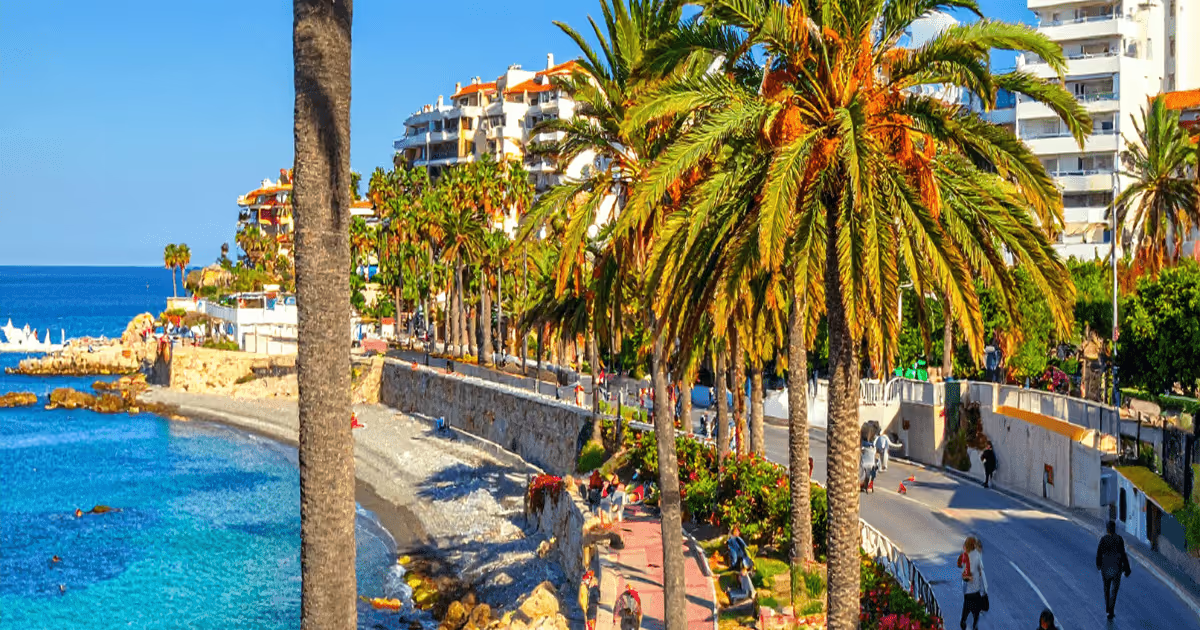
Spain’s sunny climate and beautiful beaches attract many British retirees. With beautiful cities such as Madrid and Barcelona, the rolling countryside of Catalonia, historic areas like Toledo and islands including Tenerife, Ibiza and Menorca, there is plenty of choice.
- With about 320 days of sunshine per year, the Costa del Sol is perfect for year-round seaside living.
- The Mediterranean coast experiences warm summers and moderate winters, with temperatures ideal for outdoor living from March through November.
- The Basque Country, Cantabria, and Asturias in northern Spain have mild rainfall, colder summers, and verdant scenery.
- The Canary Islands are ideal for retirees seeking consistent temperatures, as they offer subtropical warmth year-round.
- Madrid and other inland regions experience extreme weather, with hot, dry summers and chilly winters.
Retirees can better match location to lifestyle by being aware of these climate variations.
Please note that the climate in Spain changes more than many retirees or first-time buyers anticipate.
Expat Communities and Language Considerations

Strong multinational communities exist in some parts of Spain, especially among retirees from Britain, Germany, and Scandinavia.
Locations like the Costa Blanca and Costa del Sol offer communities where integration is easier, supermarkets that cater to UK tastes, and physicians who speak English.
Smaller inland towns and northern areas, on the other hand, provide greater cultural immersion but less English is spoken in daily conversations. Even though many retirees can get by with simple Spanish, having a basic understanding of the language is crucial for scheduling appointments, handling local paperwork, and integrating socially.
Major cities and well-established coastal towns have an abundance of English-speaking service providers and international schools.
Axis Financial consultants have supported UK expats for more than 20 years. They can assist with pension transfers, long-term investment strategies, and tax-efficient financial planning tailored to retirement in Spain.
Best Coastal Retirement Destinations
Costa Blanca - Most Popular with Expats
Because of its affordability, sunny climate, and long-standing English-speaking population, the Costa Blanca remains one of Spain's most popular destinations for UK retirees.
It offers a smaller, yet more intimate, package than Madrid or Barcelona. It has all the amenities of a major metropolis, concert halls, museums, and a vibrant lifestyle.
The Costa Blanca stretches southwards to Alicante. Both Alicante and Valencia have an international airport and offer excellent bus and rail connections.
Calpe

Calpe, which has about 26,000 residents and the famous Peñón de Ifach rock rising above its beaches, manages to combine everyday comfort with picturesque coastal living. The town offers excellent seafood restaurants, spotless promenades, and a peaceful way of life ideal for senior citizens.
Jávea (Xàbia)

Mature expats prefer the lovely environment of Jávea, which is tucked away between the sea and the Montgó mountain. It features a mix of rocky coves and sandy beaches, a vibrant town, and first-rate medical facilities.
Benidorm

Benidorm has some of the best access to healthcare, flat walking paths, and senior-friendly facilities on the coast, despite its image as a party destination. Many retirees like its state-of-the-art medical facilities, reasonably priced restaurants, and reliable public transportation.
Alicante
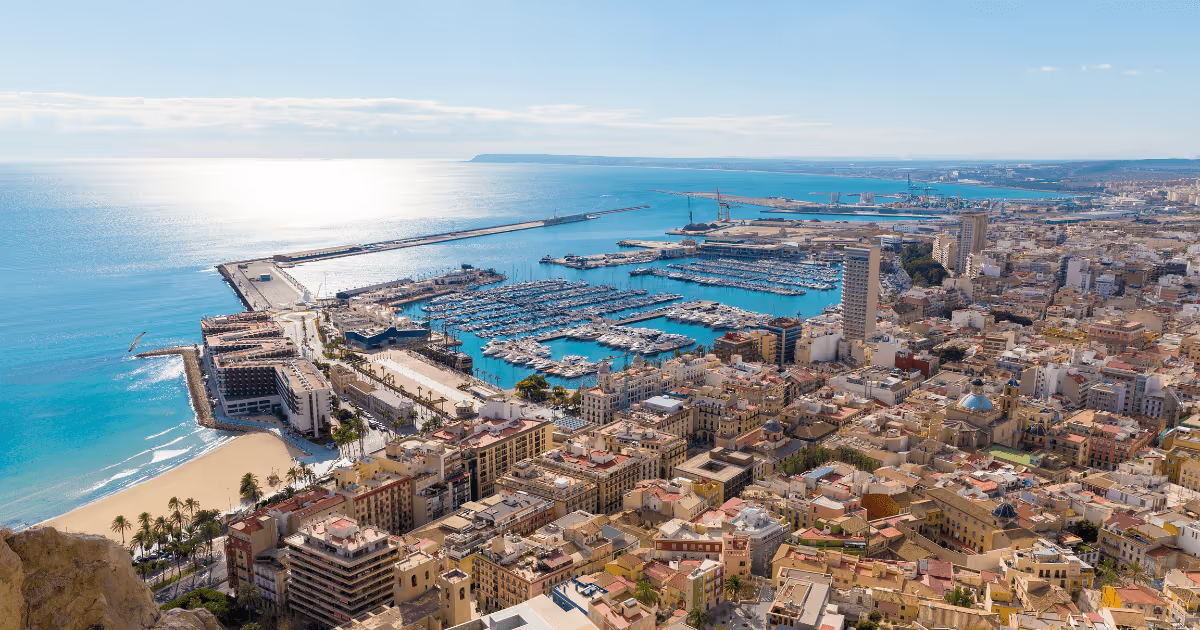
The conveniences of a medium-sized city are combined with beachfront living in Alicante. Retirees benefit from direct flight connections to the UK thanks to its sizable international airport. In addition, the town has top-notch food options, cultural events, and a quick two-hour high-speed rail to Madrid.
Torrevieja

Torrevieja, well-known for its sizable British community, offers reasonably priced property, pleasant winters, and the famous pink and green salt lakes, which are thought to promote lung health. It is among the most affordable places for retirees.
All those towns are great destinations for expats to live as retirees. If you, however, prefer natural open spaces, you may consider retiring 75 km south of Alicante, in the city of Murcia, which is set between the spectacular mountains of the Sierra de Orihuela and the Cresta de Gall.
Orange Blossom Coast
An hour north of Valencia is the Costa de Azahar, otherwise known as the Orange-blossom coast. It boasts acres of orange and almond groves and sandy beaches.
Foreign vacationers or homebuyers do not target this area, but Spaniards love it for their own weekend and summer retreats. Its sierras are exceptionally beautiful at sunset, when they take on a rosy pink glow.
If you speak Spanish and would really like to retire in a coastal town where you can experience Spanish life with the locals, the ‘Costa de Azahar’ may be the place for you. However, it can be a little pricier to live here.
Costa del Sol - Gateway to Southern Spain
Retirees looking for a blend of Mediterranean beauty, contemporary conveniences, and convenient access to international airports continue to favor the Costa del Sol, which has long been regarded as the hottest region of mainland Spain.
Málaga
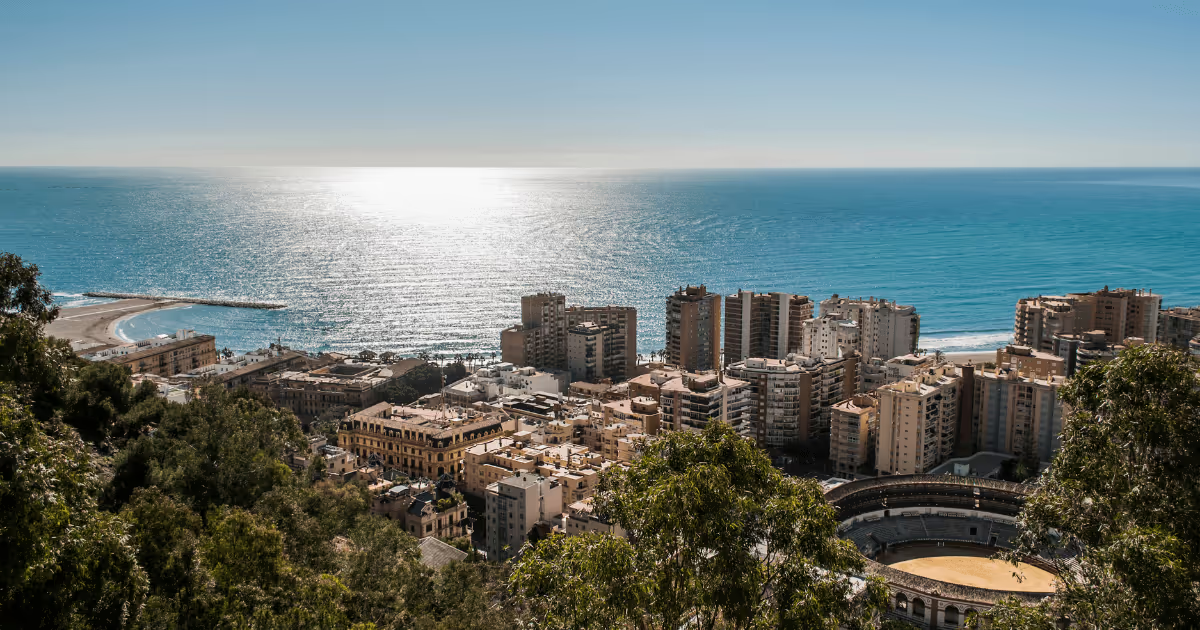
Málaga has developed into one of the most vibrant cultural centers in Spain. It is perfect for active retirees because of its historic center, museums, beaches, ancient history and an international airport.
The city offers top-notch healthcare and recreational opportunities while fusing heritage and modernity. This is definitely one of the best places to retire in Spain.
The surrounding local villages are renowned for their ‘fiestas’, and flamenco music and dancing. A fast and modern rail infrastructure links Malaga to the rest of Spain.
The rail network is complemented by bus services that crisscross the region connecting Malaga with towns and villages all over southern Andalusia.
The province of Malaga is also famous for its whitewashed villages, such as Gaucin and Casares, which are picture-postcard reminders of the ‘Spain of old’.
Marbella
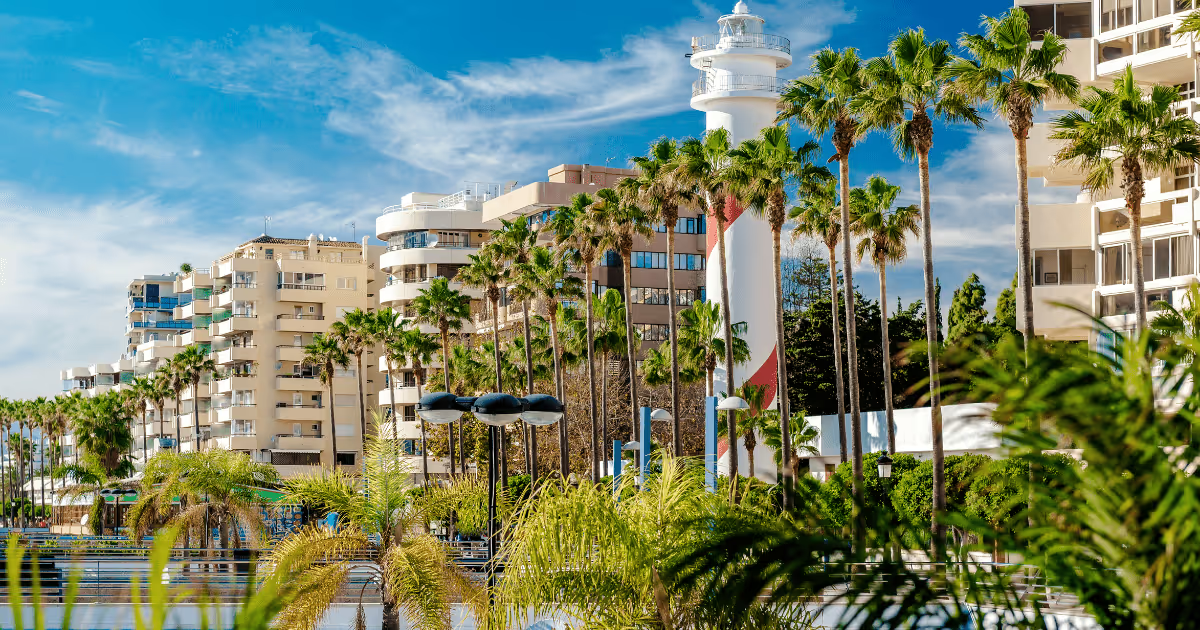
Marbella, well-known for its luxurious lifestyle, offers world-class golf courses, marinas, and dining options, as well as luxurious services. Despite its higher cost, retirees who value comfort and amenities continue to favour it.
Not far from Malaga, you will find Estepona, another great coastal resort that has grown in popularity in recent years and where property prices have skyrocketed due to high demand.
Fuengirola

Fuengirola, well-known for its long promenade, expansive beaches, and excellent transportation links, offers a friendly atmosphere for senior citizens. International residents are well-served by supermarkets, hospitals, and dining establishments.
Almuñécar
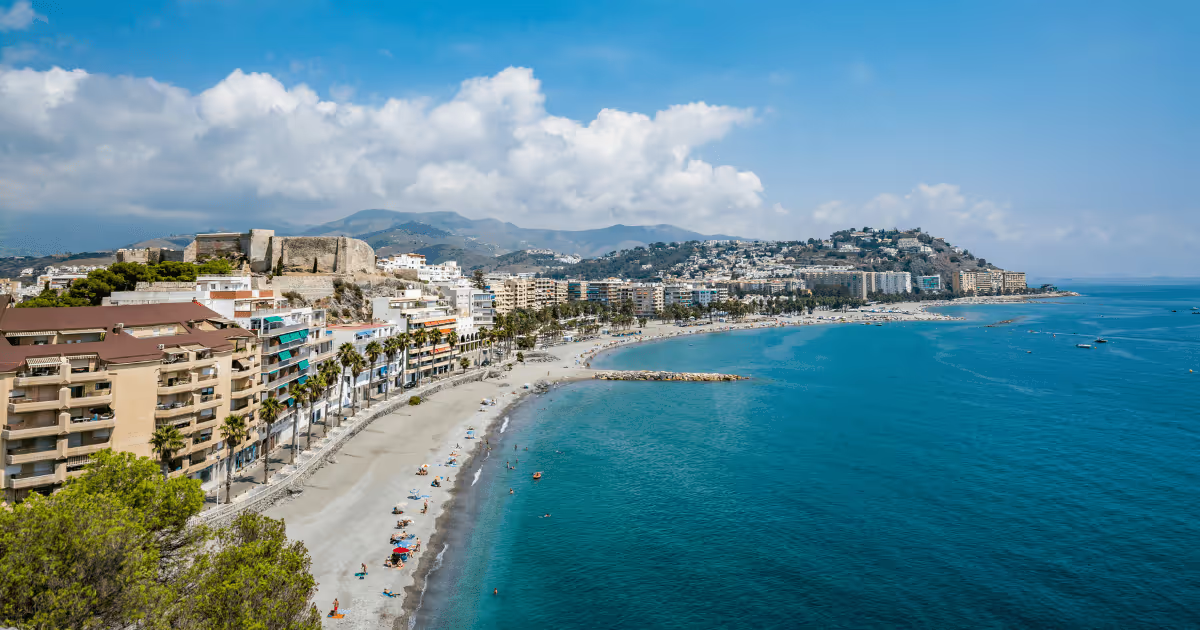
This more sedate town combines a relaxed, beachfront way of life with classic Andalusian charm. Its small-town atmosphere, nearby food markets, and proximity to the outdoors are all appreciated by foreigners.
Nerja
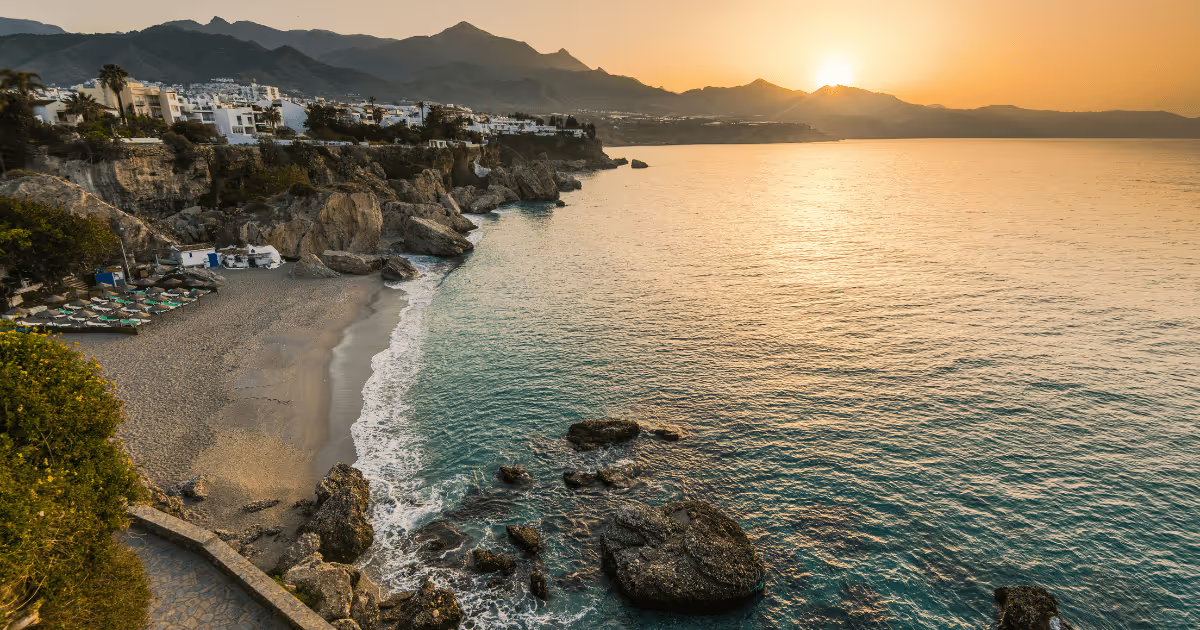
Because of its beaches, mild winters, and tranquil pace, Nerja continues to be one of the most alluring retirement communities on the Costa del Sol. It retains a serene, village-like ambiance while being easily accessible due to its close proximity to Málaga.
Costa Brava and Costa Dorada
Both regions have a milder summer climate, excellent infrastructure, real Spanish culture, and accessibility to major airports, making them appealing, well-balanced retirement choices.
The Costa Brava, with its craggy coastline, gorgeous coves, and lovely villages like Begur and Sant Feliu de Guíxols, is great for retirees seeking nature, culture, and a slower pace of life.
The Costa Dorada, which stretches south from Barcelona, mixes extensive sandy beaches with historic cities such as Tarragona, which provide excellent healthcare and transportation services.
Other great beach towns in Costa Dorada are Castelldefels, Sitges, and Vilanova i la Geltrú with plenty of British expat population and British retirees.
Girona Area

Girona offers a sophisticated Mediterranean lifestyle with a distinctly Catalan character, thanks to its superb healthcare, reliable transportation, lively culture, and close proximity to the Pyrenees.
Tarragona

Tarragona, a pleasant mid-sized city with beaches and cultural heritage, is well-known for its Roman amphitheatre and laid-back seaside lifestyle.
Sant Feliu de Guíxols

A more sedate option to more crowded Costa Brava locations, perfect for individuals seeking tranquillity without sacrificing access to healthcare and fine food.
The Escala

A charming seaside town with a rich history, lovely beaches, and a creative community.
Canary Islands
The Canary Islands remain the best option for seniors seeking pleasant weather year-round. The locations listed below are the best options for seniors because of their areas with plenty of local transport, amenities, hospitals, and services.
The Gran Canaria
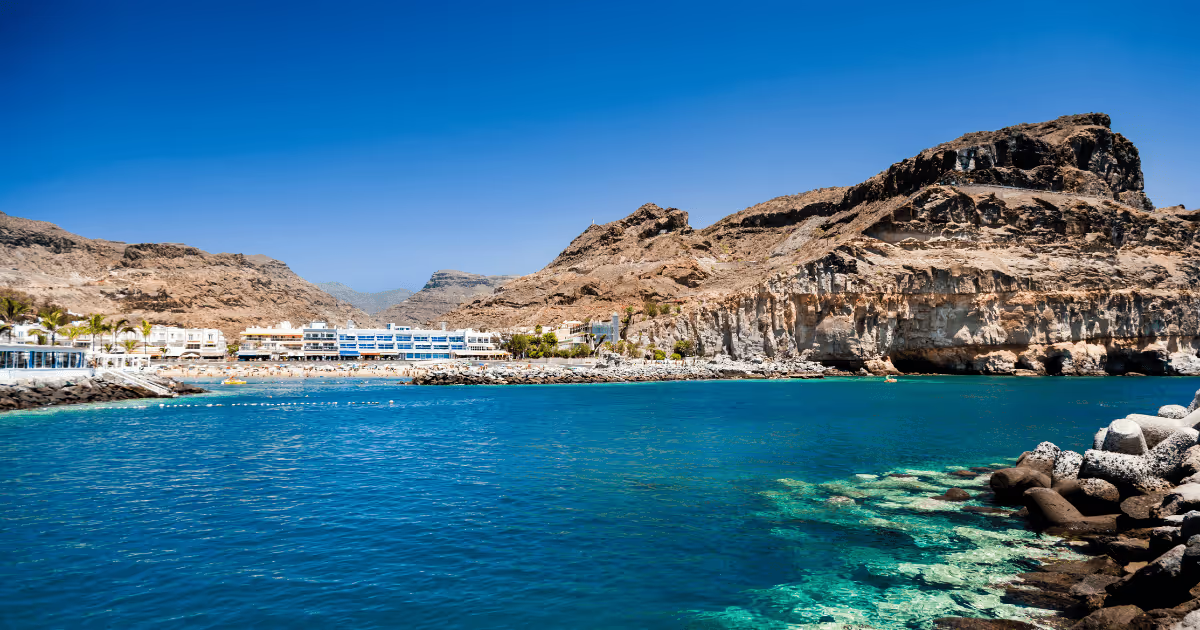
English-speaking clinics, seaside promenades, and year-round temperatures between 20 and 26 degrees Celsius can be found in places like Las Palmas, Maspalomas, and Puerto Rico. Gran Canaria also offers plenty of level walking areas and first-rate public transportation.
Tenerife

Tenerife South's sunlight, seasonal warmth, and well-established expat populations make it especially well-liked. Adeje and Los Cristianos provide convenient access to UK airlines, shopping malls, flat terrain, and medical services.
Balearics Islands
The Balearics, which are closer to mainland Spain and the UK but have colder winters than the Canaries, attract retirees seeking beautiful scenery and modern amenities.
Mallorca

Mallorca offers a blend of coastal beauty and cultural refinement. It is well-known for its breathtaking coves, first-rate medical facilities, and international airports. Particularly well-liked towns include Palma, Portixol, Sóller, and Pollensa.
Menorca
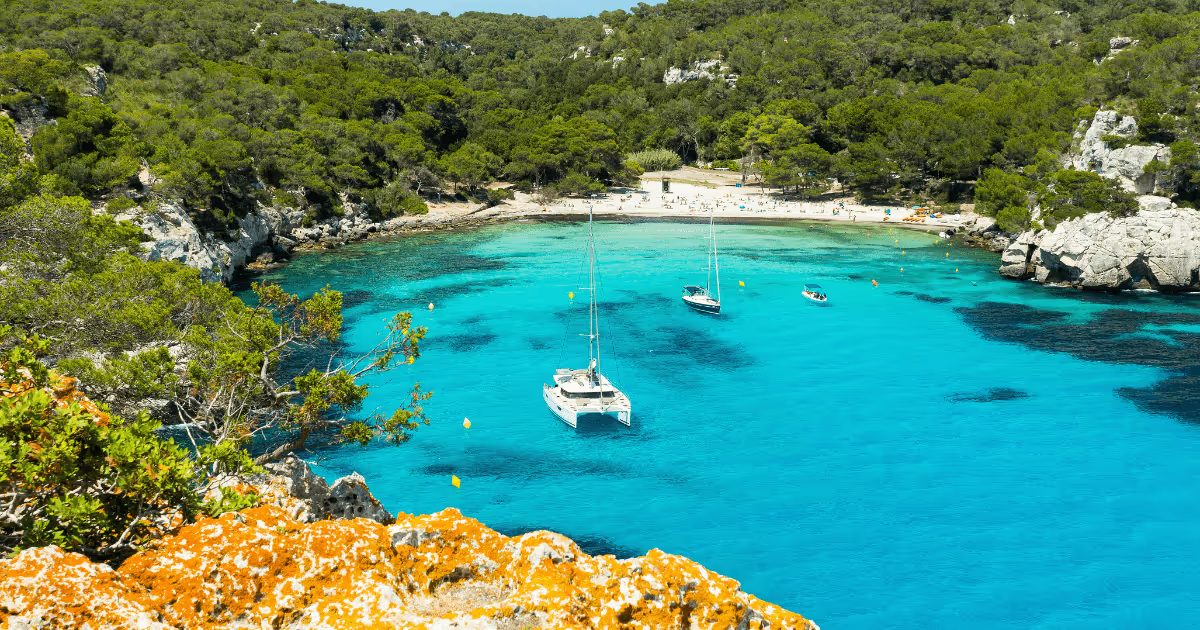
Compared to Mallorca, Menorca has a more serene setting. Although services are still dependable, retirees looking for tranquillity and scenic beauty are drawn to its beaches, undulating terrain, and laid-back way of life.
Best City Retirement Options
Madrid - Highest Quality of Life

Madrid is frequently ranked among the top European capital cities for long-term residency. The city's active lifestyle, walkable neighbourhoods, and first-rate healthcare all contribute to the nearly 84-year life expectancy.
World-class theatres, museums, green spaces, and an affordable, safe, and effective public transportation system are all advantages for retirees.
Additionally, the city has a sizable English-speaking population, which facilitates integration. Nearly all of Spain's major cities are connected to Madrid by high-speed rail, making travel easy and pleasant.
Madrid is a great choice for seniors who want urban life, thanks to its excellent infrastructure, culture, and medical services, even though prices are higher than in smaller towns. This is one of the top places to retire in Spain.
Valencia - Best Value Major City

For retirees, Valencia is sometimes described as Spain's most balanced city. Thanks to sites like the City of Arts and Sciences, it combines modern architecture with historic charm. Built on a former riverbed, the expansive Turia Park offers kilometres of room for bicyclists and pedestrians.
The city has excellent food, a laid-back café culture, and dependable public transportation. It also features a high-speed rail line to Madrid and an international airport.
Retirees value that Valencia offers beaches, a pleasant climate, and a cosmopolitan lifestyle at a lower cost than Madrid or Barcelona.
Seville - Cultural Heart of Andalusia

Retirees who enjoy heritage, architecture, and cultural immersion will find Seville to be perfect. The city is full of beautiful squares, historic attractions, flamenco venues, and festivals.
One crucial factor to consider is that summers can be very hot, often exceeding 40°C. On the other hand, winters are pleasant and warm. Although there is less international aircraft connectivity than in Madrid or Málaga, there are adequate transportation options within the city.
Seville offers a peaceful, welcoming pace of life and a rich Spanish tradition for retirees interested in culture.
Malaga - expensive but great for leisure
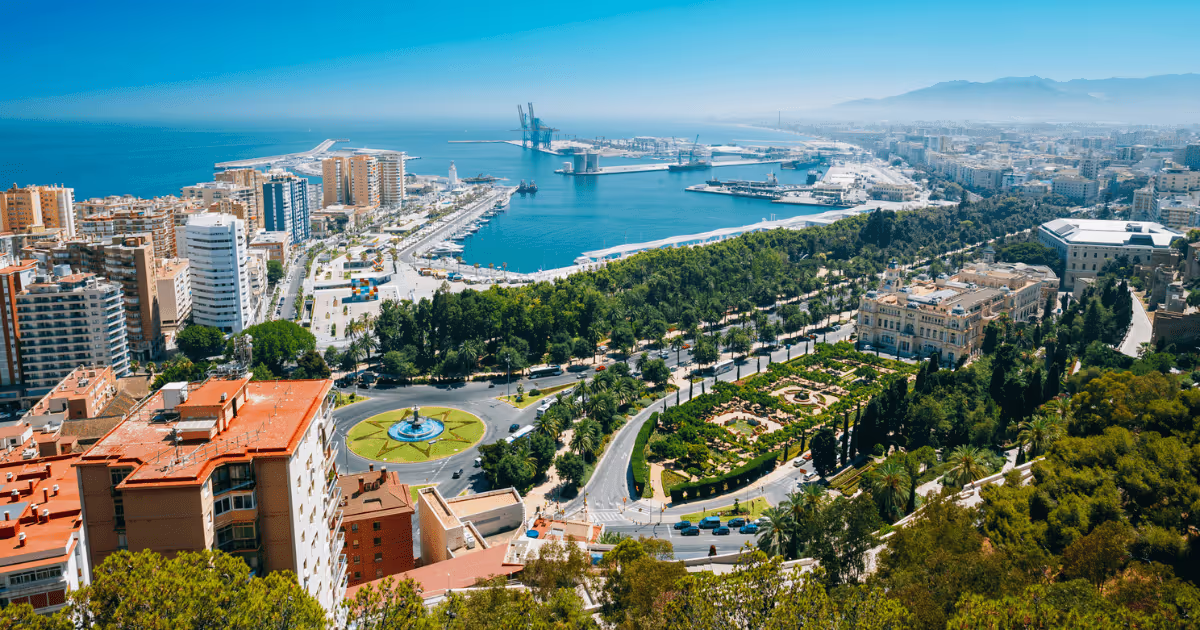
Málaga offers one of Spain's most excellent blends of facilities, culture, and beach living. Retirees looking for an urban lifestyle by the sea have come to love it because of the restoration of its historic centre.
The city is incredibly vibrant because of its theatres, museums, tapas bars, and cultural festivals. In addition, its beaches and lengthy promenades encourage year-round outdoor living.
Retirees enjoy first-rate healthcare and one of Europe's most connected airports, despite higher costs than in lesser Andalusian towns
Best Spots in Northern Spain Atlantic Coast
Northern Spain is a popular destination for retirees who enjoy cooler weather, verdant surroundings, and a more tranquil ambience. With a mix of alpine beauty, Atlantic beaches, and refined culinary customs, the area feels very different from the Mediterranean coast.
The Bilbao

Bilbao has a cooler temperature, first-rate hospitals, and contemporary infrastructure. Active retirees find the city appealing because it transitioned from an industrial centre to a cultural metropolis, exemplified by the Guggenheim Museum.
The San Sebastián

San Sebastián is well-known for its beautiful curved bay, gourmet cuisine, and clean, safe streets, and is frequently cited as having Spain's highest "quality of life" and happiness ratings. It is among the most exquisite and sophisticated locations for retirement.
Asturias Region

Asturias is home to the magnificent Picos de Europa National Park, quaint seaside towns, and undulating green hills. For retirees who find southern Spain too hot, the cooler temps make it perfect. Locations like Gijón and Oviedo provide first-rate healthcare and cozy, welcoming environments.
The Hondarribia
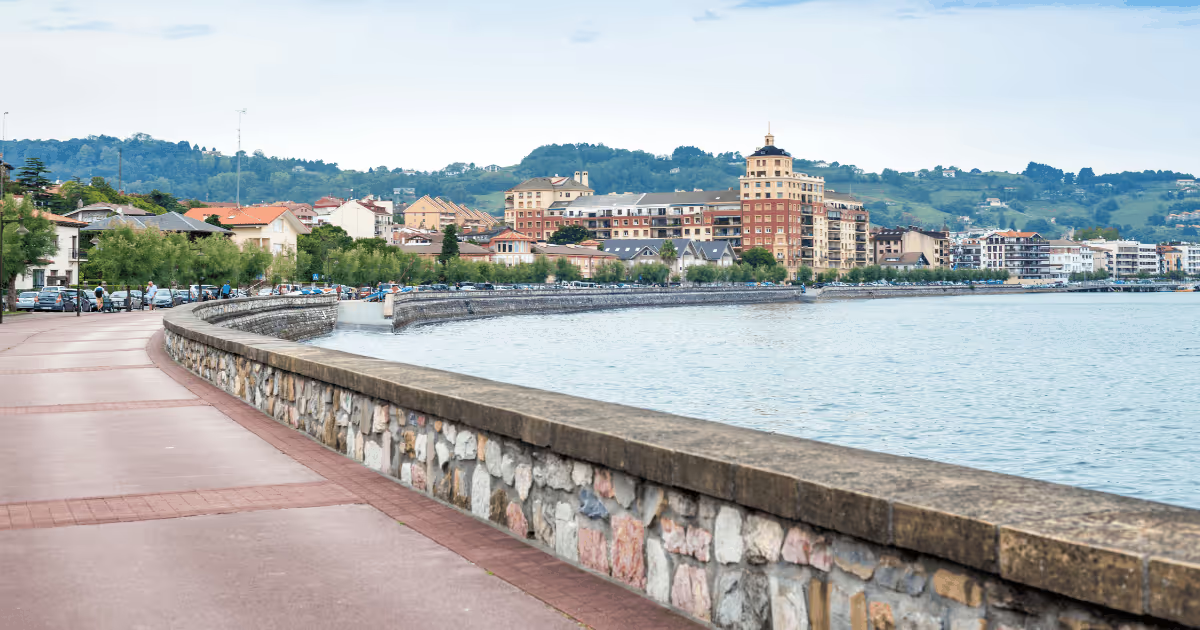
Near the French border, Hondarribia is a beautifully preserved medieval town with great seafood, a lively local culture, and a slower pace of life. Because of its small population, it is a perfect base for retirees looking for peace and authenticity.
Northern Spain is still one of the most underappreciated yet fulfilling retirement areas, and it often receives fewer tourists.
Hidden Gems in Underrated Inland Locations
Many retirees ignore interior Spain, even though these areas have some of the greatest deals in the nation, a rich cultural legacy, and more tranquil lifestyles.
Salamanca

Salamanca's architectural splendor, ancient university, lively social life, and affordable cost of living have caused it to surge dramatically in retirement rankings and become one of Spain's top suggestions. Everyday life is pleasant and easy due to its small size and walkable streets.
Granada

Granada offers affordable housing, a laid-back, welcoming environment, and the famous Alhambra palace. The city is only 90 minutes from the Mediterranean coast and Málaga Airport, despite the chilly winters. Its allure is increased by its tapas culture and magnificent mountain scenery.
León

Along the Camino de Santiago, León boasts gorgeous Gothic architecture, top-notch dining, and convenient access to Madrid. For retirees looking for culture, history, and cooler summers, it's a great option.
Extremadura Region

The cities of Extremadura, including Mérida and Badajoz, include Roman remains, peaceful neighbourhoods, reasonably priced homes, and easy access to Portugal. For retirees seeking a genuine, non-touristic experience with far lower living expenses, this area is perfect.
Practical Retirement Requirements and Processes
Visa Requirements for Non-EU Retirees
The most popular choice for non-working residents, the Non-Lucrative Visa, is now required for British pensioners relocating to Spain following Brexit. Candidates must provide evidence of private insurance and passive income exceeding €28,800 annually.
Retirees may apply for permanent residency and, after five years of lawful presence, eventually for Spanish citizenship, and family members may be included in the application.
Although conditions vary, you might also consider Spain's investment residence options, such as the Golden Visa.
Healthcare Insurance Requirements
Despite Spain's strong public healthcare system, private healthcare is necessary until permanent residency is obtained. The insurance must include:
- No additional costs
- Pre-existing condition coverage
- Complete coverage for hospital stays
- Spanish providers with well-established networks
- Depending on age, region, and coverage, monthly premiums typically range from €100 to €200.
Financial and Banking Considerations
Opening a Spanish bank account makes it easier to pay bills, transfer pensions, and manage your finances. Many banks now offer English-language services and internet platforms designed for foreigners.
BIZUM, Spain's popular mobile payment system, enables fast payments to merchants and individuals. Retirees should also comprehend the Spain-UK tax treaty, which prohibits double taxation.
For thorough tax planning, please visit the following resource pages:
Wealth Tax in Spain - https://axis-finance.com/tax/wealth-tax-in-spain
Non-resident tax in Spain - https://axis-finance.com/tax/non-resident-tax-spain
QROPS Spain - https://axis-finance.com/qrops-spain
Making Your Final Decision
Essential Research Steps
Before deciding on the best places to retire in Spain, consider your priorities: coastal sunshine, cultural immersion, cooler climates, proximity to nature, or affordability.
Plan lengthy excursions to your favourite places, preferably during both peak and low seasons, as summer tourism can radically alter the atmosphere of some villages. Investigate the size of expat communities, access to English-speaking doctors, public transportation, neighbouring airports, and community events.
Your final shortlist should be based on healthcare quality, climate tolerance, and financial compatibility.
Common Pitfalls to Avoid
Many retirees overlook the complexity associated with visas and residency appointments. Post-Brexit procedures necessitate time and meticulous document preparation.
It is also easy to underestimate temperature conditions—southern Spain's summer heat might be unbearable for anyone unprepared.
Some retirees chose areas based exclusively on existing expat communities, passing up prospects for greater integration. Others underestimate the cost of private healthcare or select destinations they've only been on vacation, which may seem completely different in the winter.
Frequently Asked Questions:
What are the best places to retire in Spain for a British retiree?
British retirees choose to live in areas with plenty of sunshine, low cost of living, good access to healthcare, and established English-speaking communities.
The most popular destinations remain the Costa Blanca (particularly Alicante, Torrevieja, and Jávea) and the Costa del Sol (specifically Málaga, Fuengirola, and Marbella).
These areas have a long history of British settlement, which makes integration simpler with English-speaking doctors, social groups, and familiar services.
Valencia region, Mallorca, and parts of Murcia are also gaining popularity, particularly among retirees seeking a mix of traditional Spanish culture and expat-friendly infrastructure.
Do I need to speak Spanish to retire comfortably in Spain?
You don't have to be fluent in Spanish to retire happily in Spain, especially in locations with big expat populations. In these areas, many doctors, lawyers, and other professionals speak English.
However, learning basic Spanish greatly helps daily life, particularly when interacting with the local government, visiting healthcare providers, or dealing with small enterprises.
Even a basic understanding of Spanish helps retirees interact socially, form relationships with neighbors, and feel more autonomous.
Many communities provide affordable language programs developed exclusively for international inhabitants, allowing them to learn at their own speed.
Is it cheaper to retire in Spain or the UK?
Most retirees find Spain substantially less expensive than the United Kingdom, particularly for daily living expenses. Groceries, dining out, utilities, and public transportation are often 30-50% cheaper than in Britain.
Housing is frequently the most cost-effective option, particularly outside of major tourist destinations. Healthcare costs are also lower, with private insurance costing far less than comparable private treatment in the United Kingdom.
While some imported goods and overseas flights may be more expensive, overall monthly budgets in Spain stretch further, allowing retirees to maintain a higher standard of living on the same salary.
Is it cheaper to retire in Spain or in France?
Spain is generally more affordable than France for seniors, especially for housing, food, dining out, and private healthcare.
While both European countries provide high-quality public services and a high living, French home prices, particularly in attractive southern regions, are often higher. Day-to-day expenses, including restaurant meals, utilities, and municipal services, are also lower in Spain.
France may appeal to retirees wanting proximity to the UK and a cooler environment. Still, for those looking for affordability and a more leisurely lifestyle, Spain is usually a better overall value.
Where do most expats live in Spain?
Expats in Spain are concentrated in areas with good infrastructure, international transportation links, and a high quality of life. Alicante province has the most expats overall, followed by Málaga, Valencia, and the Balearic Islands.
Major cities such as Madrid and Barcelona attract foreigners, notably professionals and retirees looking for cultural and medical quality. The Canary Islands are becoming increasingly popular among retirees due to the year-round pleasant weather.
While expats can be found throughout Spain, these areas have the most robust support networks and services specialized to overseas citizens.
How long can UK retirees stay in Spain after Brexit?
UK retirees can stay in Spain for up to 90 days each 180-day term without a visa. To live in Spain permanently, retirees must apply for a residency visa, commonly known as the Non-Lucrative Visa.
The Non-Lucrative Spanish Visa permits UK citizens to live in Spain without working, provided they meet financial and healthcare requirements. Once accepted, retirees may stay for one year, with renewals leading to permanent residency after five years.
Planning is critical, as overstaying without a valid residency might result in fines or travel restrictions.
Is it possible to buy property in Spain as a retiree?
Yes, retirees can purchase property in Spain regardless of their nationality. Foreign ownership is not subject to any age limits or limitations. Retirees can buy property outright or with a mortgage, though Spanish banks usually have age-related lending limits.
Buyers must obtain a Spanish NIE (tax identification number) and plan for additional expenses, including transfer tax, notary fees, and legal fees.
Many retirees choose to rent first to get to know the area before purchasing, ensuring that the site is suitable for year-round living rather than seasonal use
What is the best Spanish destination for golf?
If Golf is your passion, then Spain is a golfer’s paradise. There are approximately 500 golf courses in Spain, with over 70 to be found in the region of Andalucia.
If you would like further information, please get in touch.

About Des Cooney
He has worked in the financial services industry for 30 years as a retirement and wealth management specialist.